
 JP
JP
 EN
EN
 VN
VN

In garment production, samples are often made well before bulk production begins.
In many cases, two or even three months may pass between the sampling stage and the start of production. During that time, projects move forward, new styles appear, and attention shifts to other developments.
Because of this gap, we try to record the decisions made during sampling as clearly as possible.
Sampling is where many practical choices are made. Some of them are clear changes — adjustments discussed with the buyer, improvements to construction, or modifications made after fitting. Those decisions are usually easy to remember.
The details that tend to be forgotten are different.
They are the small things that were never consciously decided in the first place.
During sampling, certain methods are sometimes used simply because that is how the garment happened to be sewn that day. A seam is finished in a particular way, a step is done in a certain order, or a small handling detail naturally becomes part of the sample.
At the time, these things feel obvious and do not seem important enough to write down.
But weeks later, when production finally begins, someone may ask a simple question:
“How was this done on the sample?”
If the answer was recorded earlier, the work continues without interruption.
If not, people begin checking the sample again, trying to remember what was done and why. Sometimes the difference is small, but even small uncertainties can slow the flow of production.
For this reason, we try to record decisions made during sampling, including the ones that did not feel like decisions at the time.
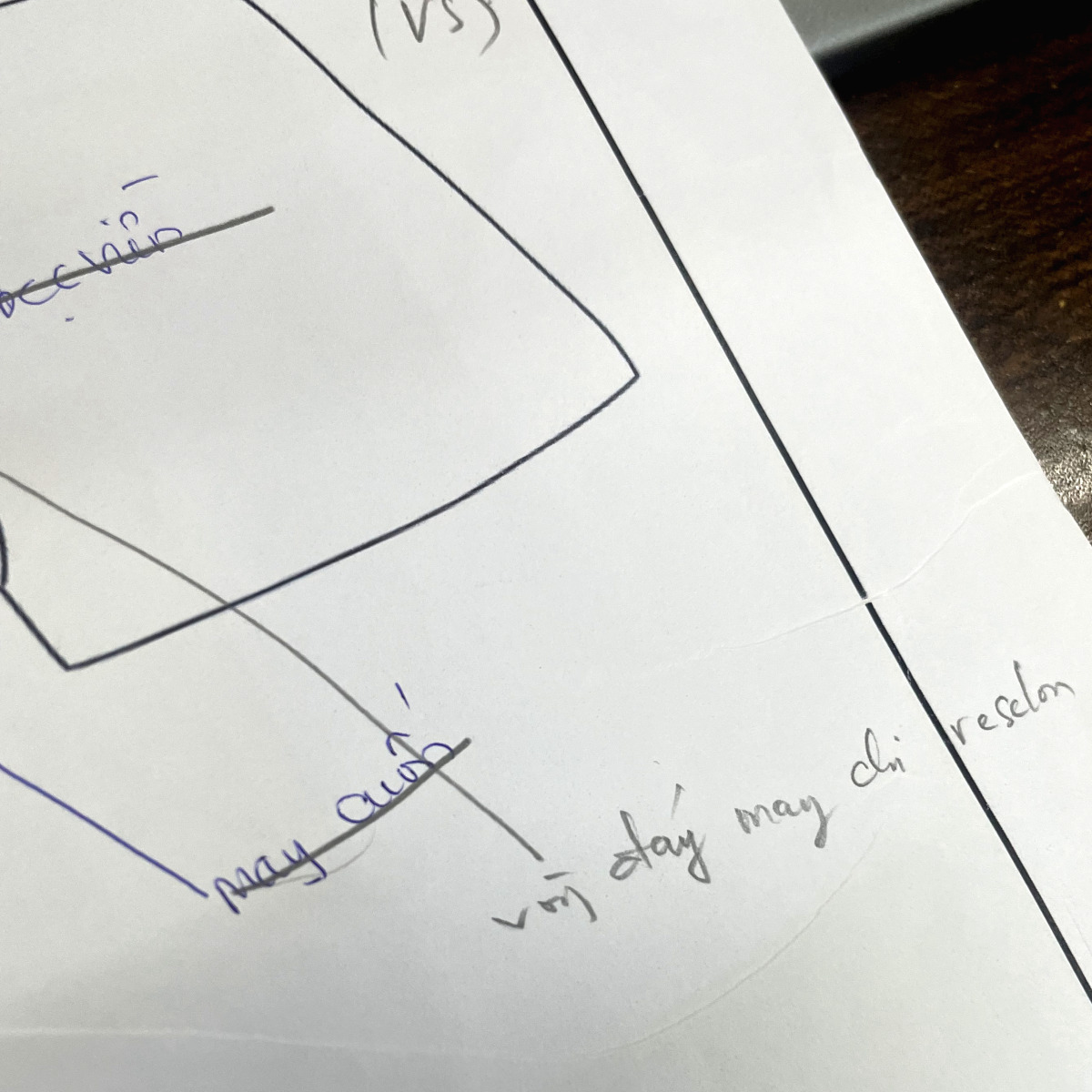
Many production issues never appear because someone wrote something down earlier.
In that sense, keeping records during sampling is not about paperwork.
It is simply a way to make future production run a little more smoothly.


